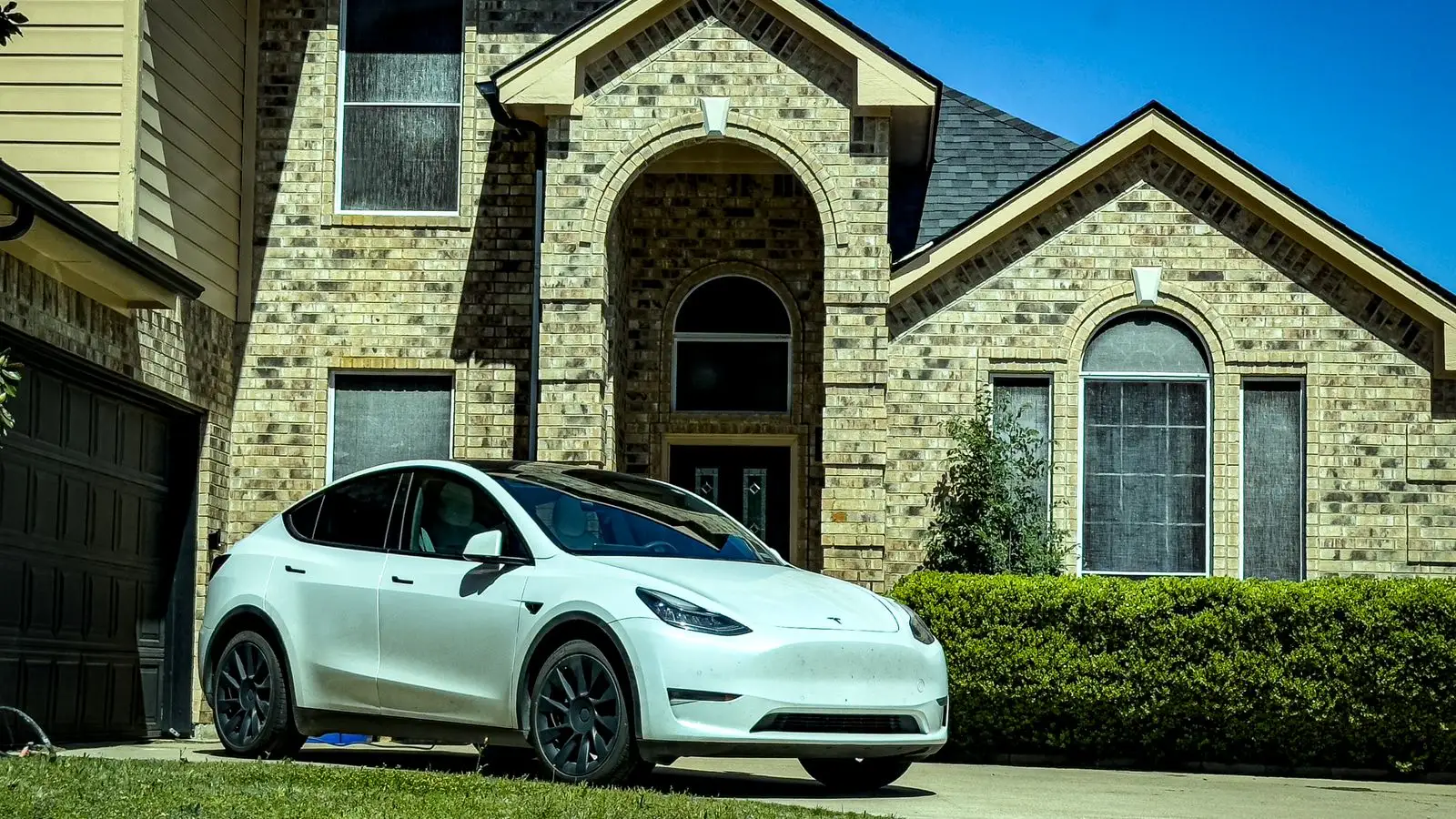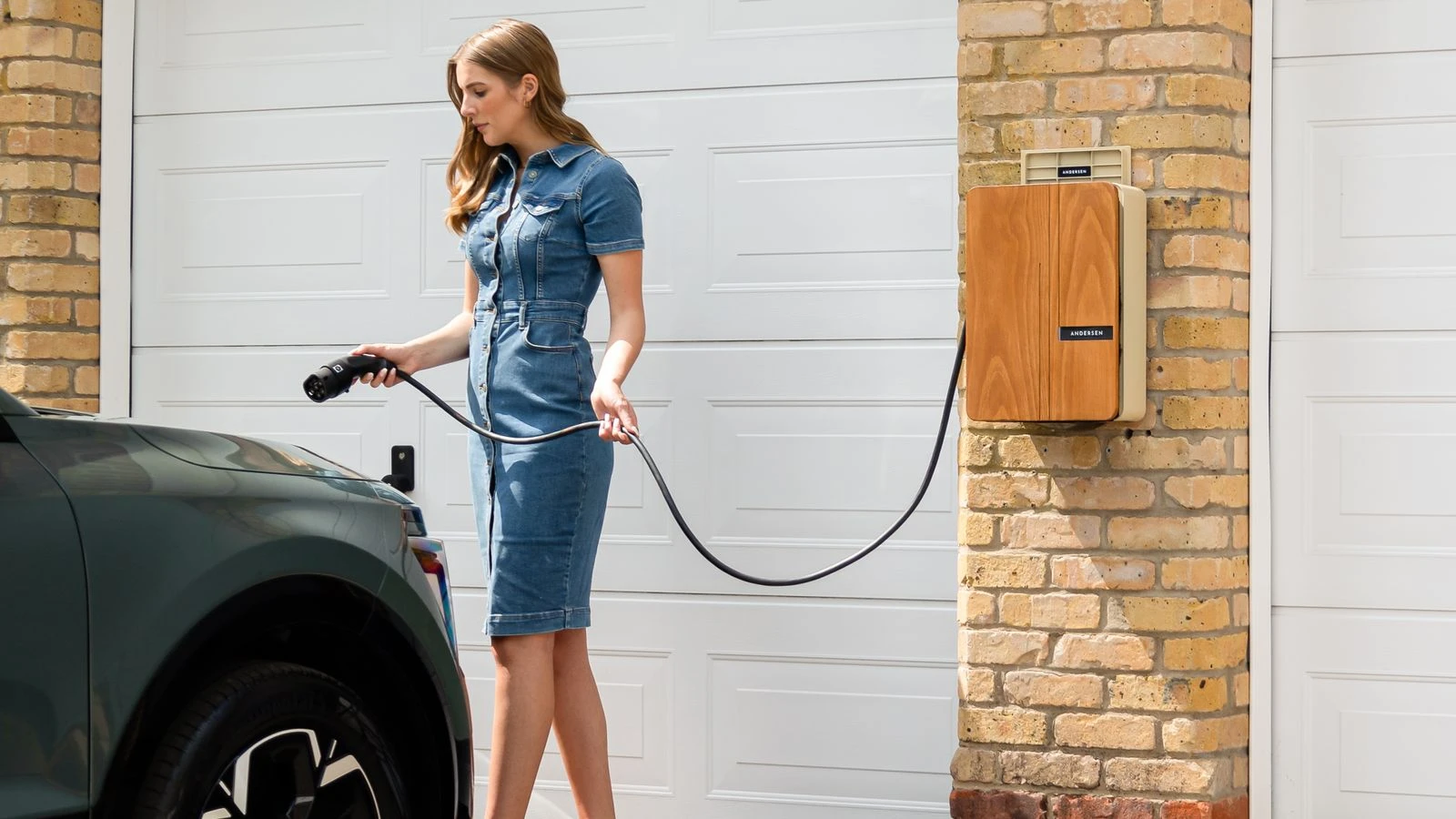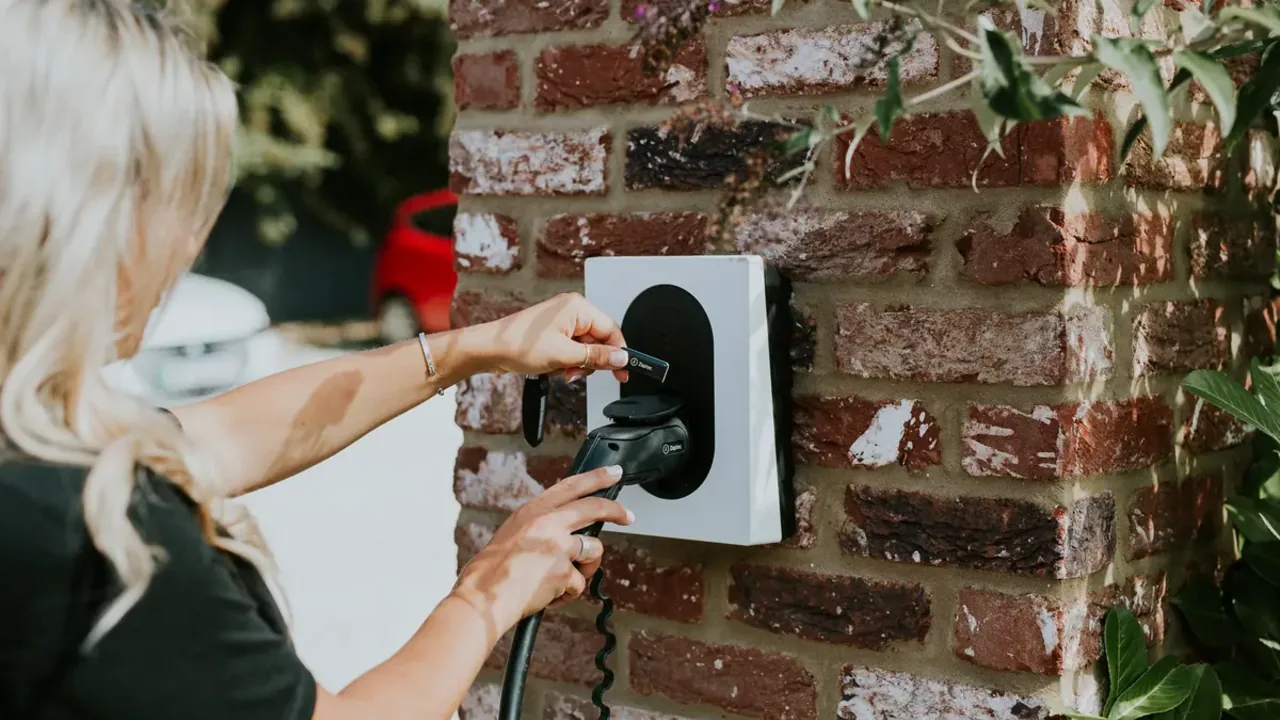
Tens of thousands of chargers have been installed in the driveways and garages of Wallonia over the past few years. Most of them charge a single car, a few hours per week. The rest of the time, they wait. PotatoCharge connects those private chargers to the drivers nearby who are looking for exactly those free slots. Here is, end to end, how a charge between two private individuals plays out.
Charging between individuals means making a private charger available to a nearby driver for the length of a session: they book a slot, plug in, and pay for the actual consumption. Sharing your wallbox this way turns a charger that sits idle into a source of income, with nothing extra to install.
It all starts with a slot
A host opens slots on their charger, only when their own car is full and it suits them. They set their own per-kilowatt-hour price: they decide what their electricity is worth. A neighbouring driver spots the charger in the app, picks an available slot and sends a request. The host approves in two taps, or lets approval happen automatically based on their settings.
At no point does the host lose control. They choose their slots, their price, and can close their charger whenever they like, with no justification. A disrespectful driver can be blocked for good.
How does a charging session work?
The vast majority of residential chargers are connected to no system at all. PotatoCharge works with them anyway, through a simple photo-based mode. Here is how a session unfolds:
- Before plugging in, the driver takes a photo of the charger's meter, time-stamped and geolocated by the app.
- A card pre-authorisation is placed on their card: the amount is guaranteed before any current flows. The host is never exposed to an unpaid bill.
- The driver plugs in their vehicle and charges.
- At the end, a second photo of the meter is taken. Actual consumption is computed from the difference between the two readings, in kilowatt-hours.
- Payment is triggered on that basis. Everything is traced, with no cash changing hands.
This manual mode has a decisive advantage: no installation, no cost for the host. An old or entry-level charger works just as well as the latest model.
If the charger is compatible and connected (Wallbox, Easee, Zaptec and others), the reading can happen automatically, with no photo, and the session is driven from the app. The principle stays the same, minus the gesture. To understand how a charger starts speaking that language, see turning a silent home charger into a connected one.
Secure payment, trust with tools
No cash moves between host and driver. Payment is online, secure and traceable. After each session, both parties rate each other: a driver who leaves the spot clean and frees it on time builds a reputation, abusive behaviour lowers the score and can lead to a ban. Time-stamped photos, pre-authorisation and ratings together form a safety net for host and driver alike.
In case of damage, the driver's civil liability applies, and every session stays identified.
Steady income, without changing your habits
Two slots opened per week already amount to roughly 660 € per year, on a conservative tariff, without producing anything extra: just an existing charger, better used. In Belgium, income from the collaborative economy between individuals is tax-exempt up to an indexed annual ceiling, and PotatoCharge provides the annual summary needed for the tax return.
If the host has solar panels, a kilowatt-hour fed back to the grid earns almost nothing. The same kilowatt-hour sold to a neighbour through the platform is worth far more, and it is the driver who pays.
Getting started
On the host side, creating a profile and opening a first slot takes a few minutes. On the driver side, you simply look for an available charger near you.
Open my charger as a private host or charge at a neighbour's as a driver.
Frequently asked questions
Do you need a connected charger to share your charging?
No. The photo-based manual mode works with any charger, even an old or unconnected one. A compatible charger (Wallbox, Easee, Zaptec and others) additionally allows an automatic reading, with no photo.
How is the host sure to be paid?
A card pre-authorisation is placed before plugging in: the amount is guaranteed before any current flows. Payment is then triggered on actual consumption. The host is never exposed to an unpaid bill.
How is consumption measured in manual mode?
Through two photos of the meter, one before plugging in and one after. The difference in kilowatt-hours gives the actual consumption. The photos are time-stamped and geolocated.
Is this income taxable in Belgium?
Income from the collaborative economy between individuals is exempt up to an indexed annual ceiling. PotatoCharge provides the annual summary for the tax return.