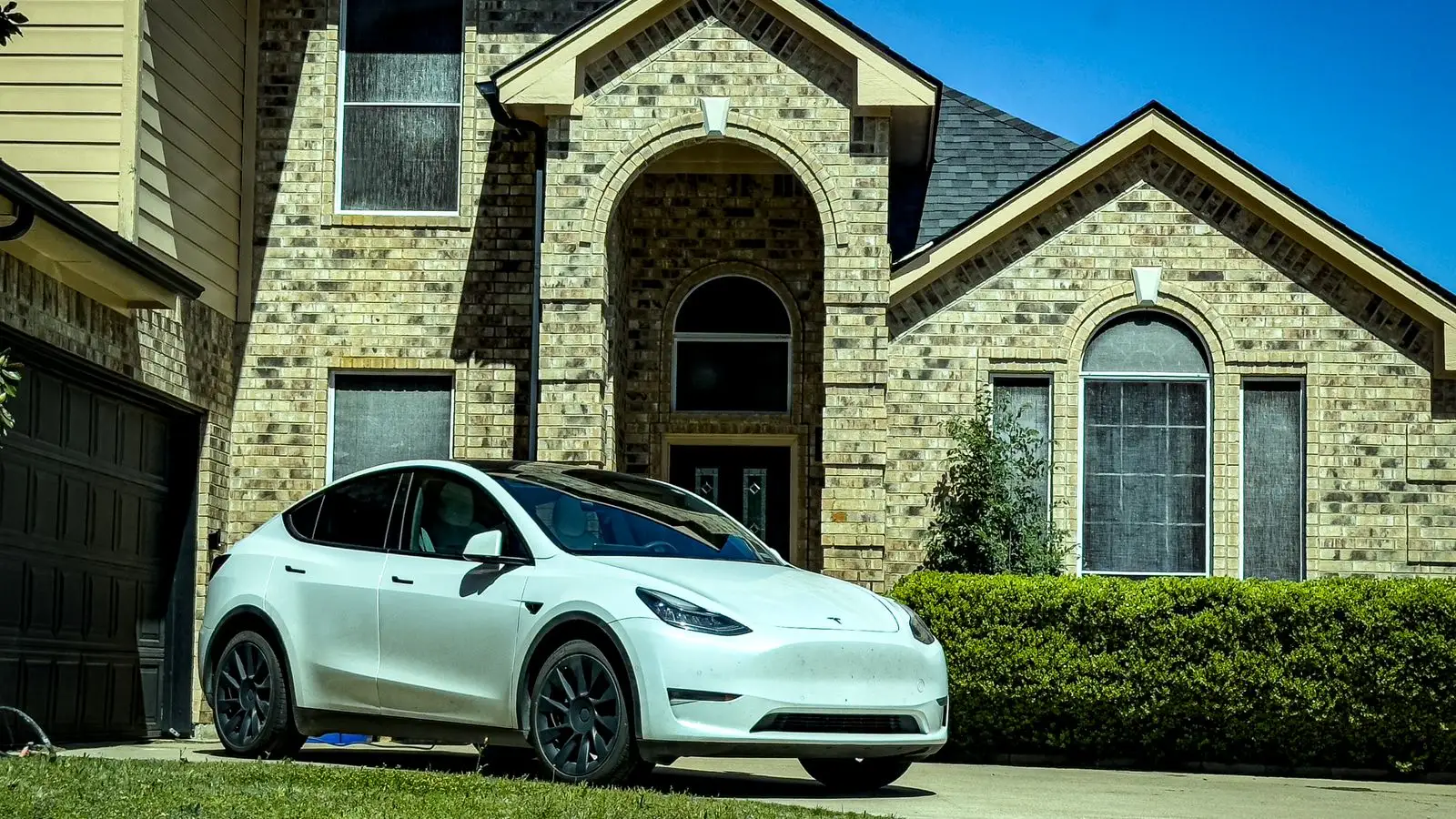
Let's start with what you actually want. Your charger sits in the driveway. It charges two to four hours a day, then it sleeps. Putting it to work the rest of the time would pay, with nothing to install and not a kilowatt-hour more to produce. You like the idea.
Then a fear stops you. Just one, but it's enough: if I open my charger to the neighbours, will it be available when I need it? You can already picture it. You come home one evening on empty, and a stranger is plugged into your spot. In your head, sharing means losing priority over your own charging.
That's the only thing holding you back. And it's exactly the one PotatoCharge removes: you share your charger without ever coming after everyone else. Here's how.
Your charger is closed by default
No one can book at your place until you've opened something. No automatic availability, no schedule imposed on you. Sharing starts only with a move on your part, on the hours you choose, and it stops the same way. The starting setting is zero availability, not the other way round.
You only open the hours you're not charging
When do you actually charge? At night, once you're home. In the morning your car is full and gone to the office for the day. On weekends it often sits still. Those are the hours, and only those, that you make available: the ones where your charger would sit unused. Your car never loses its place. Sharing costs you not a single charge, just hours you were letting slip away.
"And if I need it, right now?"
It doesn't fall at the wrong moment, because you choose the moment. Outside the windows you open, your charger is closed and no one can plug in. Something comes up during an open slot? You cut it in one move, no notice and no justification. Off on holiday? You block the dates in advance. And you keep control of who plugs in: every request gets approved, a driver gets blocked with one click. The socket stays yours, from the first kilowatt-hour to the last.
Present, or not at all: depending on your charger
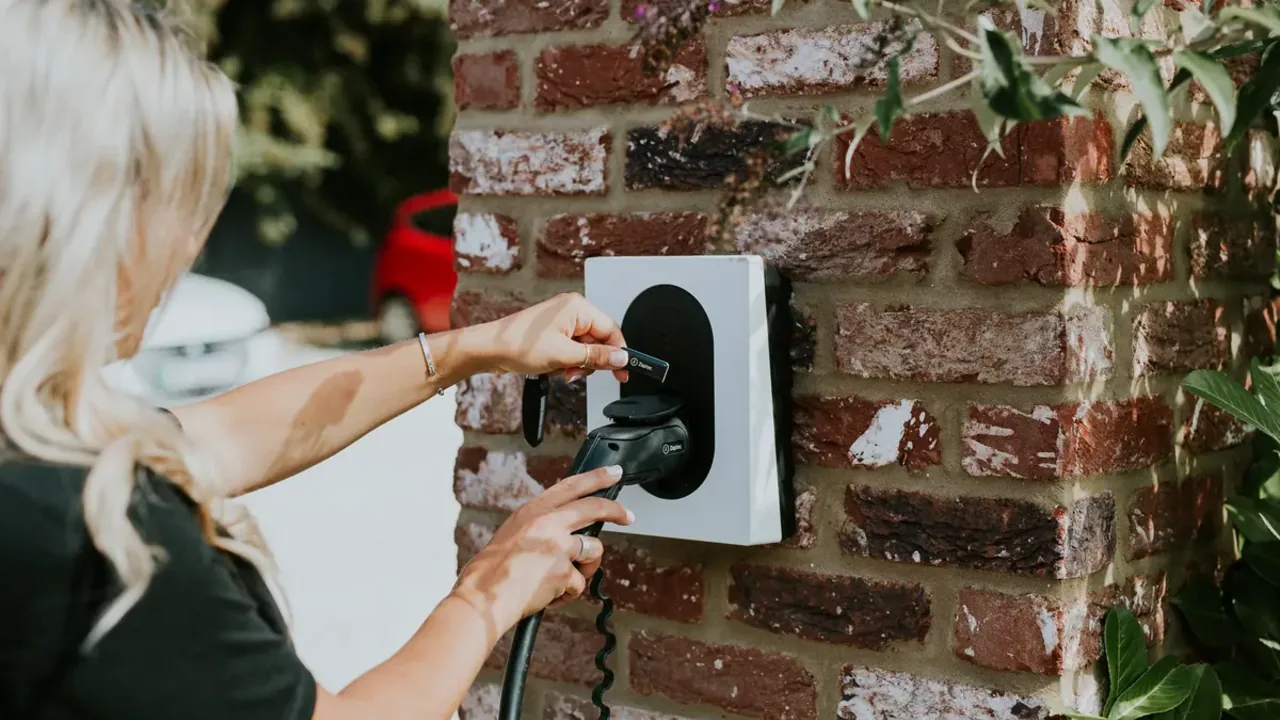
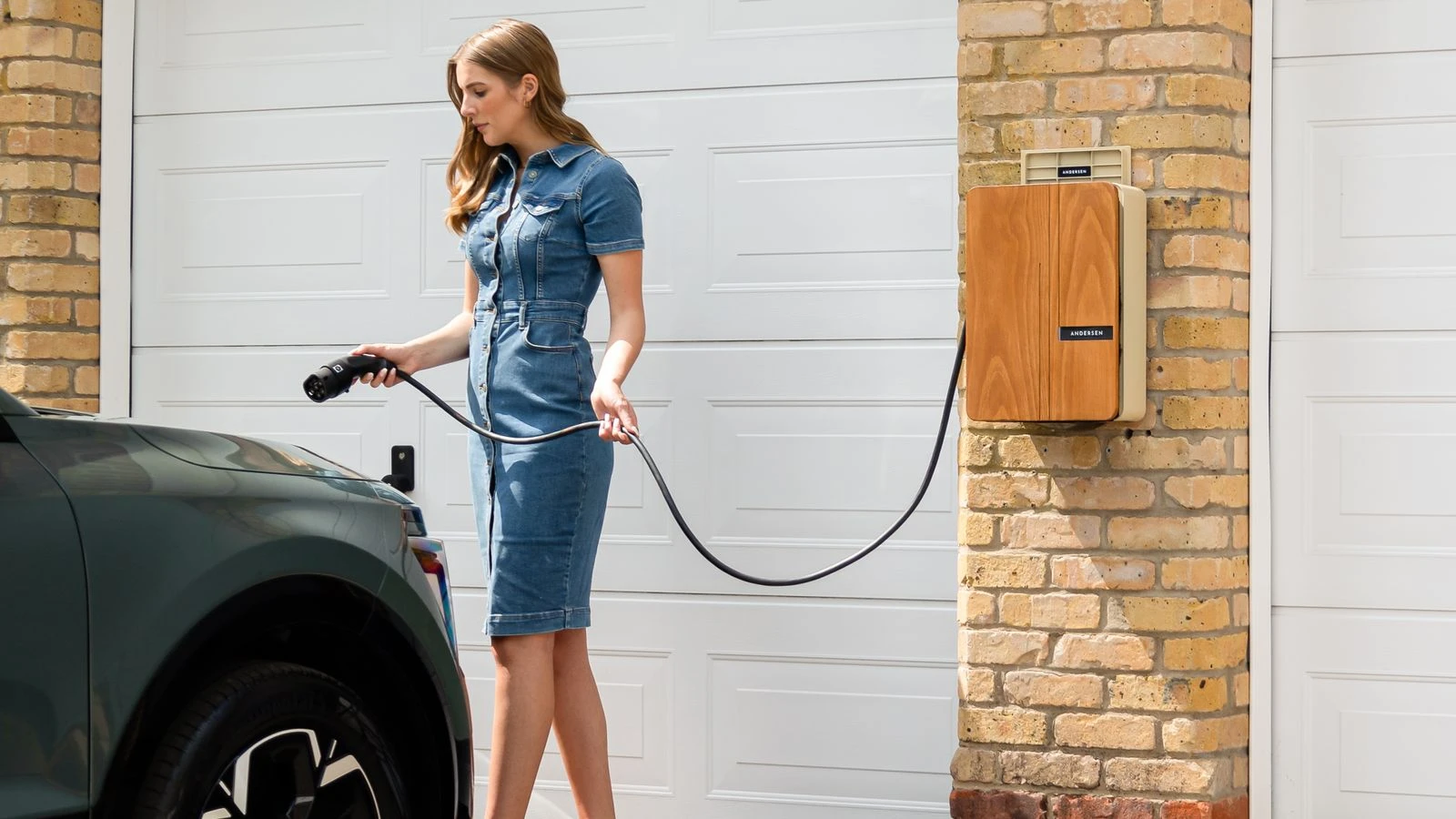
One variable deserves to be said plainly: access. On a standard, unconnected charger, you open access at the time of the slot to start the charge; the driver photographs the meter before and after, the calculation happens on its own. So you do need to be there for that slot, which you accepted. On a connected charger (Wallbox, Easee, Zaptec and others), the driver authenticates and starts on their own, the reading is automatic: you no longer need to be present. That's the step toward truly hands-free sharing, even when you're out. A simple charger can get there, here's how.
The rest sorts itself out without you
No admin to carry. The platform holds the amount before each session to guarantee you get paid, collects, traces everything, and hands you an annual summary for the taxman. You approve in two taps, or nothing if you switch to automatic. Two off-peak slots a week already come to a few hundred euros a year.
Your charging first, the income with the rest
You wanted to put your charger to work without ever losing the upper hand on your own charging. That's exactly what you get: you open, on your terms, the hours it does nothing, and you take it back the second you need it.
Make my charger available (free, "lockable" anytime), or first see how a charge between neighbours works.
Frequently asked questions
Will sharing my charger stop me from charging my own car?
No. Your charging always comes first. Your charger is closed by default; you only open the hours when your car is full and you don't need to charge. Outside those, no one can book.
Am I required to open regular slots?
No. You open one-off or recurring slots, as you like, and you close them at any time with no justification. No availability commitment.
Do I have to be present during the charge?
On an unconnected charger, yes: you grant access at the time of the slot to start the session, a slot you chose. On a connected charger, no: the driver starts on their own, with no presence on your side.
What if something comes up during an open slot?
You cut it in one move, with no notice. You can also block dates in advance, turn a driver away with one click, or require a minimum rating before accepting.