Powerdale, the Belgian manufacturer of the Nexxtender Home charger, filed for bankruptcy in late 2025. The Nexxtmove backend went down with the company: the official app no longer connects, PIN codes are no longer issued, firmware updates are no longer pushed. For thousands of owners across Belgium, France and Luxembourg, the verdict is brutal: an expensive home charger looks suddenly orphaned.
What dies with the cloud, what survives
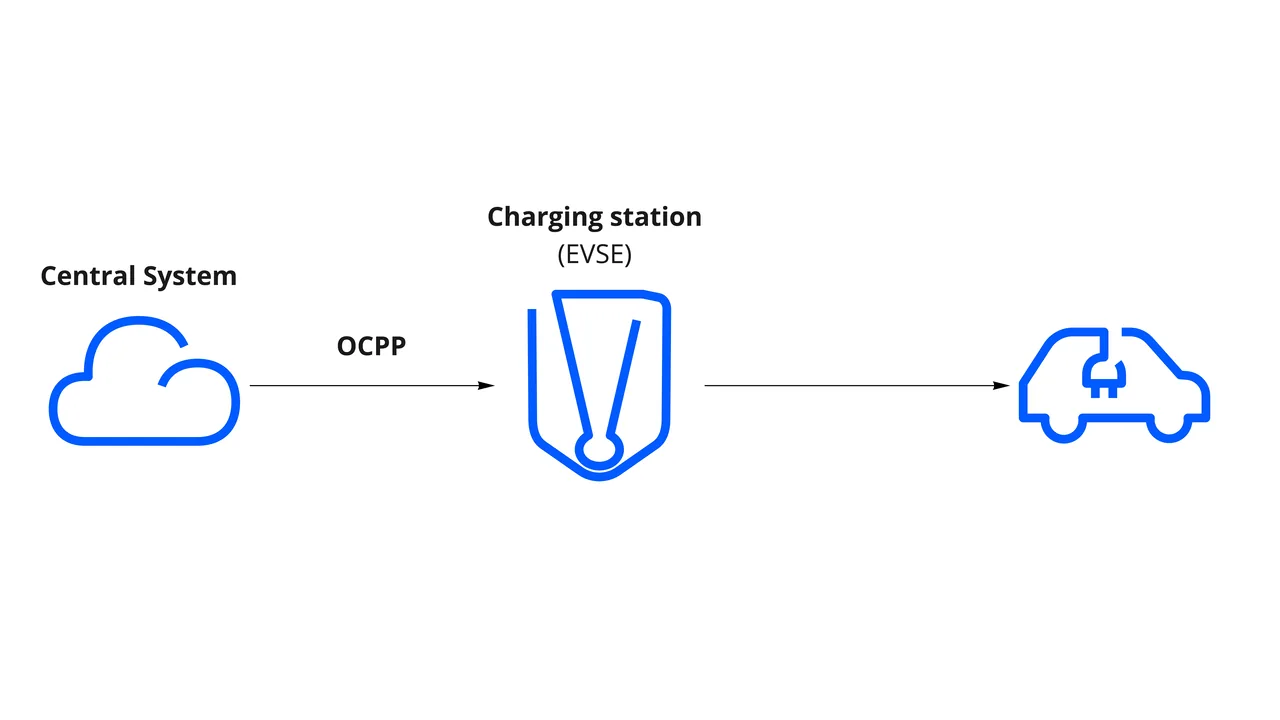
First piece of good news: your charger still charges. A Nexxtender, like most home chargers, can run on its own. When a car plugs in, it delivers current, manages dynamic load balancing if it has it, and stops cleanly at the end of the session. That intelligence is embedded, local, fully independent from the cloud that vanished.
What dies with Nexxtmove is everything else: history lookups, remote start, cumulative consumption readings, off-peak or solar-driven control. And most importantly, the ability to re-pair the charger with a new phone, because the app expects a PIN that exists nowhere locally.
The Bluetooth access code, the forgotten key
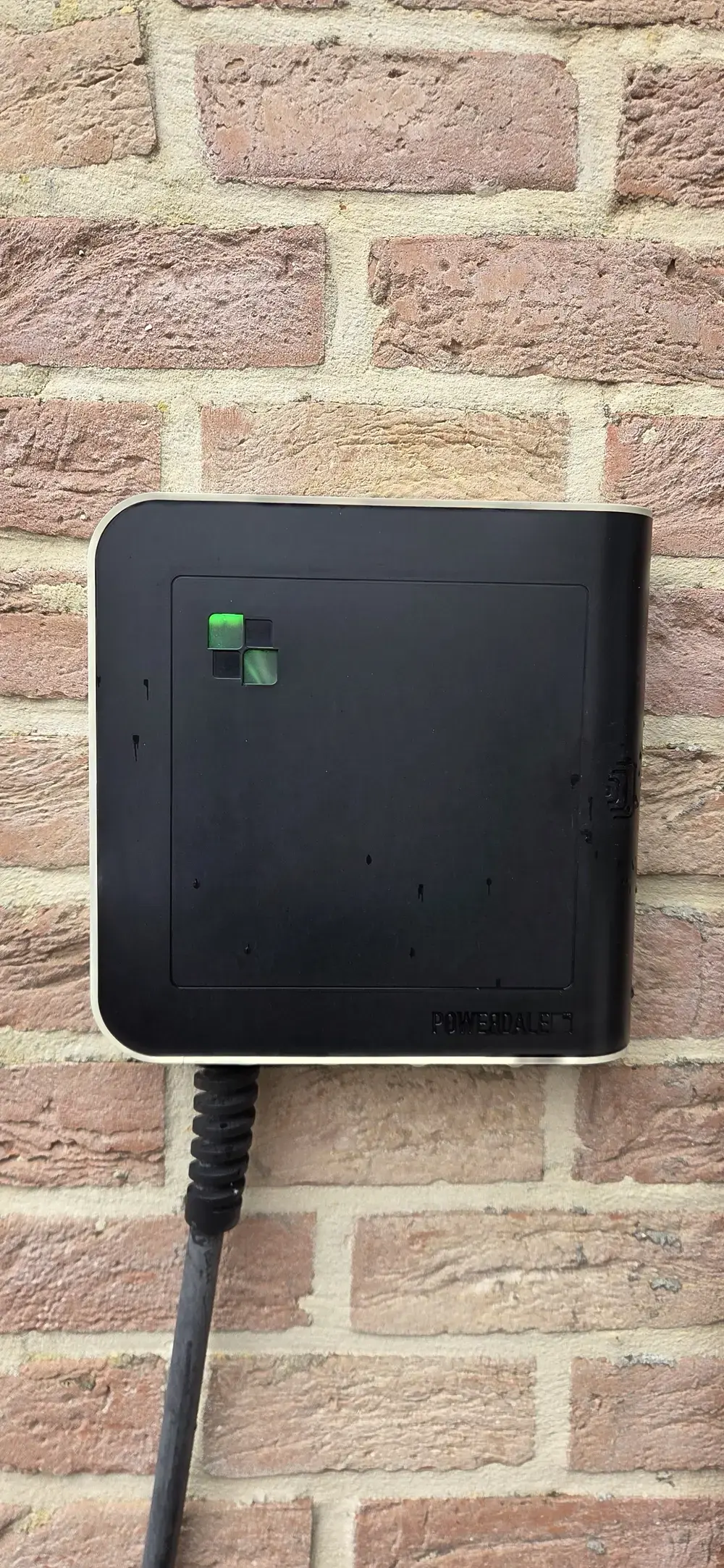
Every Nexxtender carries a six-digit code, the factory PIN, used to authorise the very first Bluetooth pairing between phone and charger. This code is not printed on the label: it was handed out by the manufacturer's app, after sign-in to the cloud account. Cloud account gone, PIN unreachable.
The moment your original phone is lost, replaced or simply reset, the charger refuses any new pairing. The hardware works, the firmware works, but the ticket to enter has vanished with its issuer.
How we recovered the key
We started looking into the matter when a neighbour, owner of a Nexxtender Home and ready to rip it off the wall for lack of control, reached out to us. The question was worth digging into: if we could bring back access to his charger, we could do the same for the thousands of others stuck in the same situation.
The approach took three steps. First, understand how the manufacturer's own app derived the PIN, by analysing not the consumer-facing app (which merely fetched the code from the cloud) but the installer application, which had to generate codes offline during on-site commissioning. Second, verify on a real charger that our reconstruction produced the right code, by cross-checking the numbers etched onto the physical label against what the charger itself reports over Bluetooth. Third, confirm that the charger does accept pairing with the resulting code.
The work calls for caution: chargers include anti-bruteforce protection that puts them into cooldown after a handful of failed attempts. We never launched a blind calculation. Each PIN is derived specifically for the targeted charger, from its own serial and part numbers, and validated with a single attempt.
What this changes for you
In practical terms, a Nexxtender whose PIN has been recovered becomes a full charger again. You can pair it with a phone, read its Bluetooth characteristics and, most importantly, connect it to a local controller that takes over from the dead backend.
The operation is neither a hack nor a hardware repair. You remain the owner of your charger, the charger stays on your wall, its nominal operation is unchanged. What we restore is the access that should have been local from the start, and that the manufacturer chose to host in its cloud.
And then?
Your charger works again, the access is yours again, it sits on the wall of your house. The question that remains is what to do with it during the sixty to eighty hours every week when no car is plugged in.
PotatoCharge was born from that very observation: the charging infrastructure is already there, installed in private homes, and sits largely unused. By opening your charger a few hours per week to your EV-driving neighbours, you generate steady income that rapidly offsets your initial investment, without changing your own habits.
Find out how to monetise your home charger as a private host.
Frequently asked questions
Does my Nexxtender charger still work after the Powerdale bankruptcy?
Yes. Charging is handled locally by the unit: it keeps delivering current as usual. Only the features that relied on the Nexxtmove cloud are lost (history, remote start, off-peak control, re-pairing with a new phone).
Can the PIN of my Nexxtender charger be recovered?
Yes. The factory PIN can be reconstructed from the serial and part numbers etched on the charger, without relying on the closed manufacturer cloud. Each PIN is derived specifically for the targeted charger.
Is recovering access legal and safe for the charger?
You remain the owner of your charger, which stays on your wall and works as before. It is neither a hack nor a hardware modification: the operation restores the local access that should always have existed. Anti-bruteforce protection still calls for caution, so the PIN is validated in a single attempt.
What can I do with my charger once access is restored?
Control it locally and, during the hours when no vehicle is plugged in, open it to neighbouring drivers to monetise it through PotatoCharge.