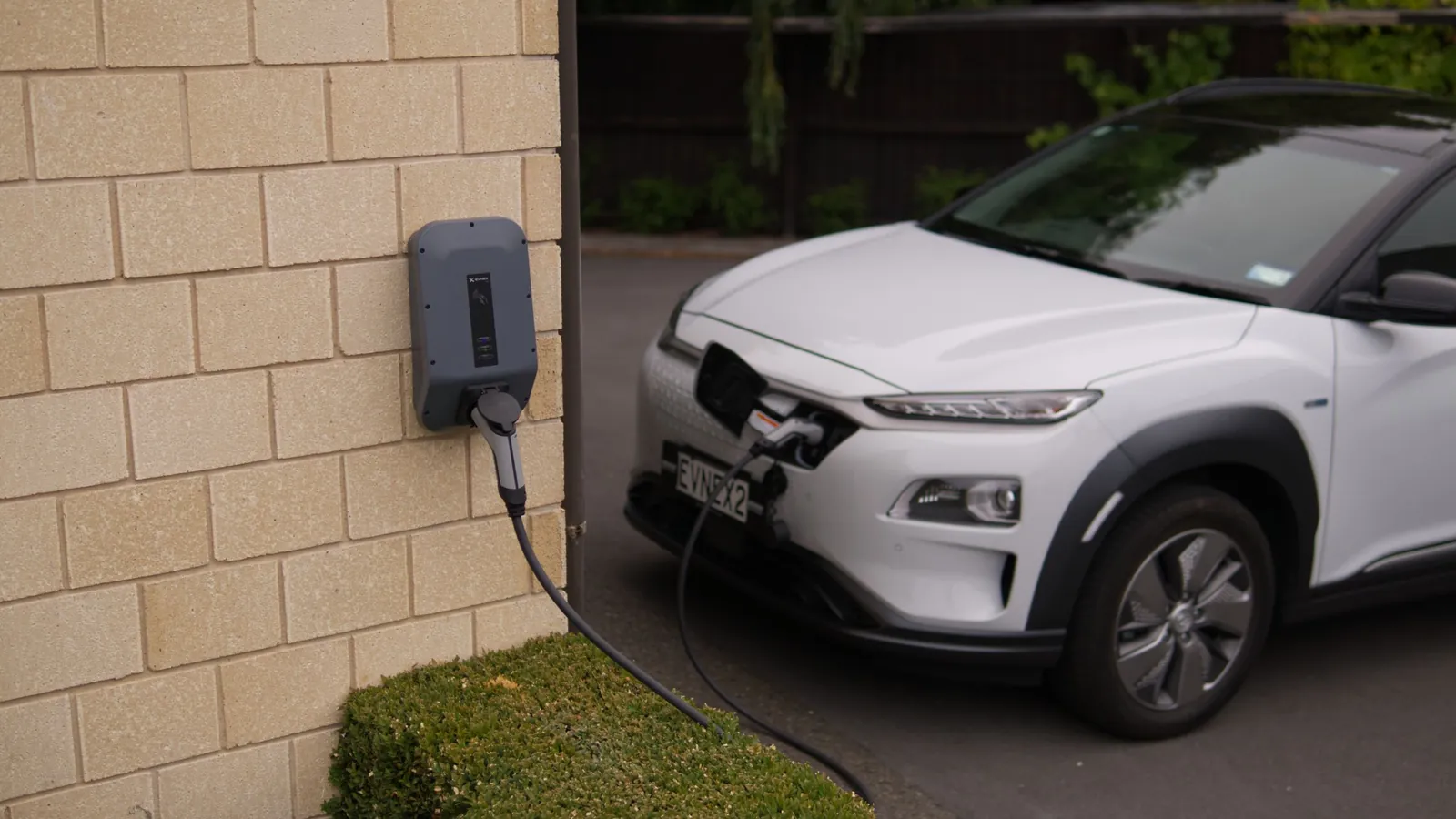

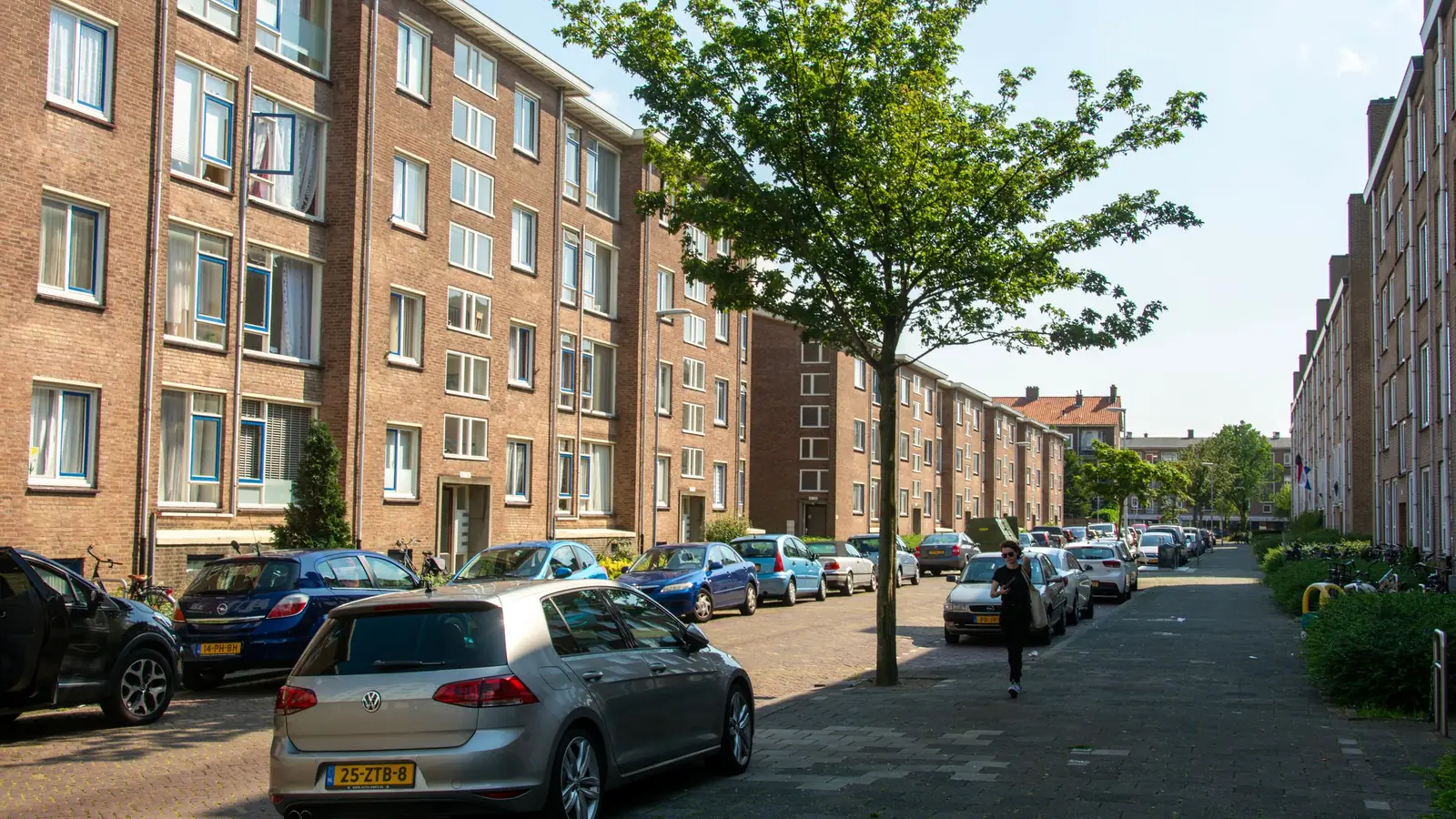
Your employer has given you an electric car. On paper it is the right choice: according to FEBIAC, 53.1 % of company cars registered in Belgium in 2025 were electric. In practice, the whole system assumes something you do not have: a charger at home. You live in a flat, you park in the street, or your building has made no provision. Every charge turns into a small logistics exercise.
There are still several ways out, each with its limits. Here they are, and what to check with your employer before you choose.
What your employer provides
Most companies combine three things: a charging card for the public network, chargers in the office car park, and reimbursement for charging at home.
That last one is the best deal, and it is exactly the one you miss out on. Circular 2024/C/77 lets employers reimburse electricity at the CREG rate, made permanent in 2025. In the fourth quarter of 2026 the cap is 37.79 cents per kWh in Wallonia, 36.88 in Brussels and 32.25 in Flanders. But the scheme only covers charging at home, with a class B meter for any recent installation. Without a charger at home, it does nothing for you.
Elsewhere the general rule applies: your employer reimburses the actual cost, against proof. That is the framework for every option below.
Option 1: charge at the office
If your company has chargers, it is often the simplest answer. The car charges while you work, and you pay nothing upfront.
The limits show up quickly. There are sometimes fewer chargers than cars, you have to move yours at lunchtime, and working from home breaks the routine: on the days you stay home, the car does not charge. At weekends and on holiday you need another solution anyway.
Option 2: the public network with the company card
Your employer's charging card opens public chargers, and the bill goes straight to them. For paperwork, nothing beats it.
The problem lies elsewhere. The charger in your street is taken when you get home, or out of order, or permanently occupied by the same car. You end up planning your evenings around a free space. And public charging is expensive for your employer: around Namur, a slow public charger costs between €0.42 and €0.58 per kWh depending on the operator, well above the domestic rate.
Option 3: get a charger installed anyway
If you have your own space in a shared car park, the law is on your side. Article 3.82 of the Belgian Civil Code lets a co-owner run cables through the common parts, at their own cost. You notify the owners' association by registered letter two months in advance. It can only object on legitimate grounds.
If you rent, everything goes through your landlord: the request is worth making, especially if your employer pays for the installation. And if you park in the street, this option simply does not exist.
Option 4: a neighbour's charger
Around you, private owners have a charger that is only used at night, or for a few hours a week. With PotatoCharge, some of them open it to other drivers, at a price they set themselves. You find it on the map in the app.
- With booking, you pick a slot, for example Sunday night into Monday, and the space is waiting for you.
- With open access, on a connected charger, there is nothing to book: you scan the charger's QR code and start. See how charging without booking works.
You pay per kWh by bank card in the app. Company charging cards do not work on a private owner's charger, so you pay upfront and claim it as an expense. The app keeps every charge in your history, with the energy delivered and the amount paid.
Questions for your fleet manager
- Is charging away from home and off the public network reimbursed, and against what proof?
- Is a charging history with the kWh and the amount enough as proof?
- Does a cap per kWh apply away from home?
- Can the company fund a charger if you get a parking space?
Self-employed through your own company? You set the rule yourself, with your accountant.
Combine rather than choose
In practice, drivers without a charger at home combine: the office on weekdays, a neighbour's charger booked for Sunday night, the public network as a fallback. What matters is having at least one reliable option near home, so you stop planning your evenings around a free space. To go further, see how to find a charger near you, even when the map is still empty.
Frequently asked questions
Can my employer reimburse charging if I have no charger at home?
Reimbursement at the CREG rate only applies to charging at home. Elsewhere, the employer reimburses the actual cost against proof. The details depend on your company's car policy.
Can I use my company charging card on a private owner's charger?
No. On PotatoCharge you pay by bank card in the app, then claim the amount as an expense if your employer accepts it.
Is charging at a neighbour's reimbursable?
No rule covers it: it is neither forbidden nor provided for. Your employer decides. The app's history keeps the energy and amount of every charge, for you to show your fleet manager.
I live in a shared building. Can I install a charger in my parking space?
In principle, yes. Article 3.82 of the Belgian Civil Code lets you run cables through the common parts at your own cost, after two months' notice by registered letter. The owners' association can only object on legitimate grounds.
How much does charging at a private owner's cost?
The host sets their own price per kWh. The app shows the total, service fee included, before you confirm.